
The Perfect Storm
In most countries, summer and Christmas are separate seasons. In Australia, they happen at the same time.
For pet businesses, December and January bring a perfect storm:
- Boarding demand surges as families go on holidays
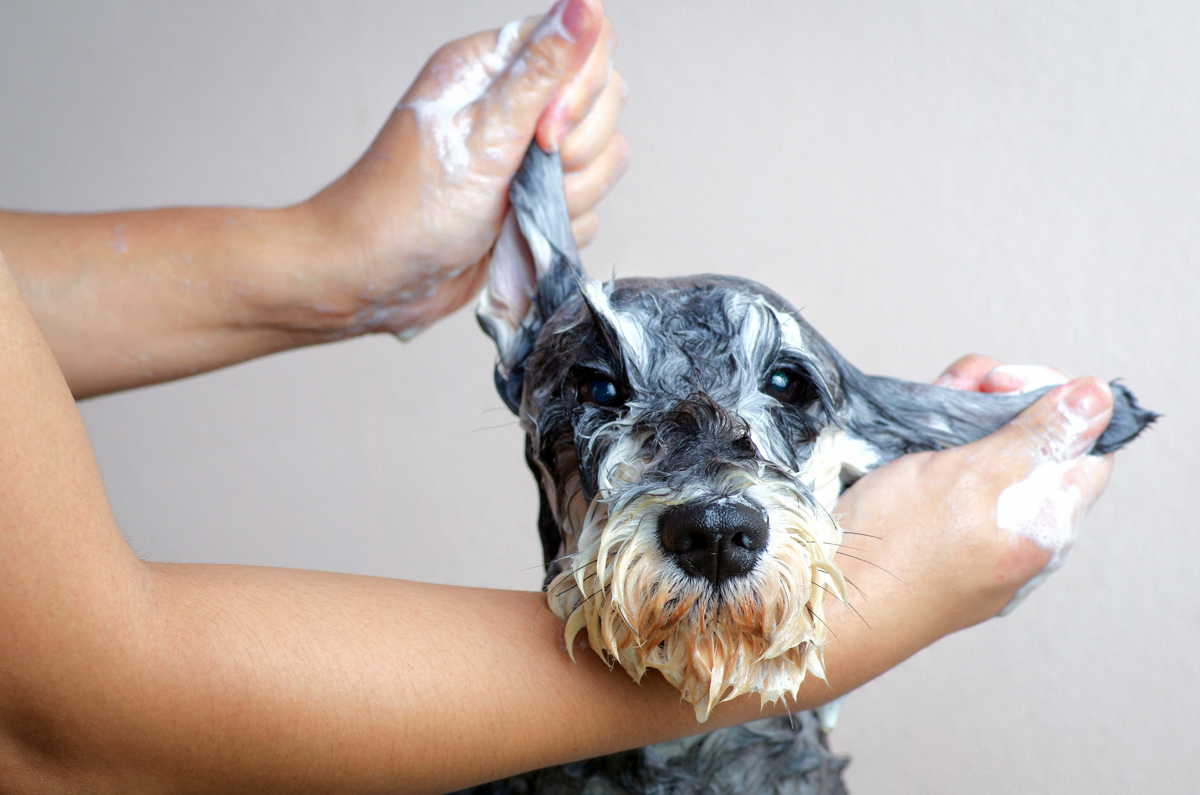
- Grooming demand spikes as everyone wants their dog looking great for Christmas
- Daycare demand rises as kids are home from school and parents still work
- Training pauses as people are too busy for classes
If you're not prepared, silly season will overwhelm you. If you are prepared, it's the most profitable period of your year.
The Australian Pet Business Calendar
Understanding demand patterns across the year helps you plan:
| Period | Demand Level | Notes |
|---|---|---|
| Jan-Feb | Very High (boarding), Moderate (grooming) | Summer holidays, families travelling |
| Mar-Apr | Moderate, then spike at Easter | Easter = second boarding peak |
| May-Jun | Lower | Winter lull, good time for maintenance |
| Jul | Moderate spike | School holidays, some boarding demand |
| Aug-Sep | Building | Spring = puppy season, training picks up |
| Oct-Nov | Building to High | Pre-Christmas grooming bookings start |
| Dec | Peak | Everything at maximum |
1. Set Capacity Limits Before You Need Them
The worst time to figure out your maximum capacity is when you're already overwhelmed. Set your limits now:
- Boarding: How many dogs/cats can you safely and comfortably accommodate overnight?
- Daycare: What's your maximum per session, considering staff ratios and space?
- Grooming: How many grooms per day can you deliver without rushing?
Once you know your maximums, configure them so bookings can't exceed them. When you're full, you're full. Quality suffers when you overcommit.
2. Implement Booking Cutoffs
For boarding during peak periods, consider requiring bookings a certain amount in advance:
- Christmas/New Year boarding: Require bookings by early December at the latest
- Easter boarding: Require bookings by mid-March
- School holiday daycare: Require bookings at least 1 week in advance
This gives you time to plan staffing, supplies, and logistics. Last-minute bookings during peak periods create chaos.
3. Consider Seasonal Pricing
Many successful pet businesses charge peak-period premiums. This isn't gouging; it's reflecting the reality of higher costs (more staff, more supplies, more stress).
Common approaches:
- Peak boarding surcharge: $5-15 per night during Christmas, Easter, and school holidays
- Last-minute booking fee: $10-20 for bookings made within 48 hours during peak periods
- Holiday grooming premium: 10-20% surcharge in December
How to communicate it: Be upfront. Put peak pricing on your website, mention it when clients book, and include it in your terms. Most pet parents understand that holiday periods cost more.
4. Plan Your Staffing
You likely need more hands during peak periods. Options:
- Casual staff: Hire casual team members specifically for holiday periods (start the relationship in October so they're trained by December)
- Trusted friends of the business: Former employees, TAFE students doing practicums, reliable clients who want to help
- Extended hours for existing staff: Offer overtime or additional shifts (ensure you're meeting Fair Work obligations)
The key is planning early. Finding reliable help in December is nearly impossible.
5. Prepare Your Supplies
Running out of shampoo mid-groom or dog food mid-boarding stay is a nightmare during peak periods. Stock up:
- Grooming supplies: Buy 6-8 weeks' worth before November
- Boarding supplies: Extra bedding, food supplies, cleaning products
- Emergency supplies: First aid kit restocked, vet contact details updated
6. Communicate With Clients Early
Let your regular clients know early via your website, social media, and in-person conversations:
- "Christmas bookings are now open and filling fast"
- "Our peak-period pricing is in effect from [date] to [date]"
- "Booking cutoff for Christmas boarding is [date]"
Post these updates on your socials, put a notice on your website, and mention it at pick-up. Early awareness drives early bookings (better for your planning) and sets expectations (no surprises at checkout).
7. The Post-Season Debrief
In February, once the dust settles, review how the season went:
- What went well? What systems held up, what staff performed brilliantly?
- What broke? Where did you get overwhelmed, what fell through the cracks?
- What would you change? More staff? Earlier cutoffs? Higher capacity limits?
- Financial review: Was the season as profitable as it should have been?
Document your findings. Next year, you'll thank yourself.
Key Takeaways
- In Australia, Christmas + summer + school holidays = the perfect storm for pet businesses
- Set capacity limits before the rush so you never overcommit on quality
- Implement booking cutoffs for peak periods (especially boarding)
- Consider seasonal pricing to reflect the genuine extra cost of peak periods
- Hire and train temporary staff early (October for December needs)
- Stock up on supplies in November before the rush
- Communicate early with clients about peak-period bookings and pricing
- Review the season in February and document what you'd change
Silly season doesn't have to be stressful. With the right preparation, it's the most profitable and rewarding part of your year.