
Why Insurance Matters More Than You Think
If you run a pet business, you're responsible for living creatures that belong to someone else. That responsibility comes with real financial risk.
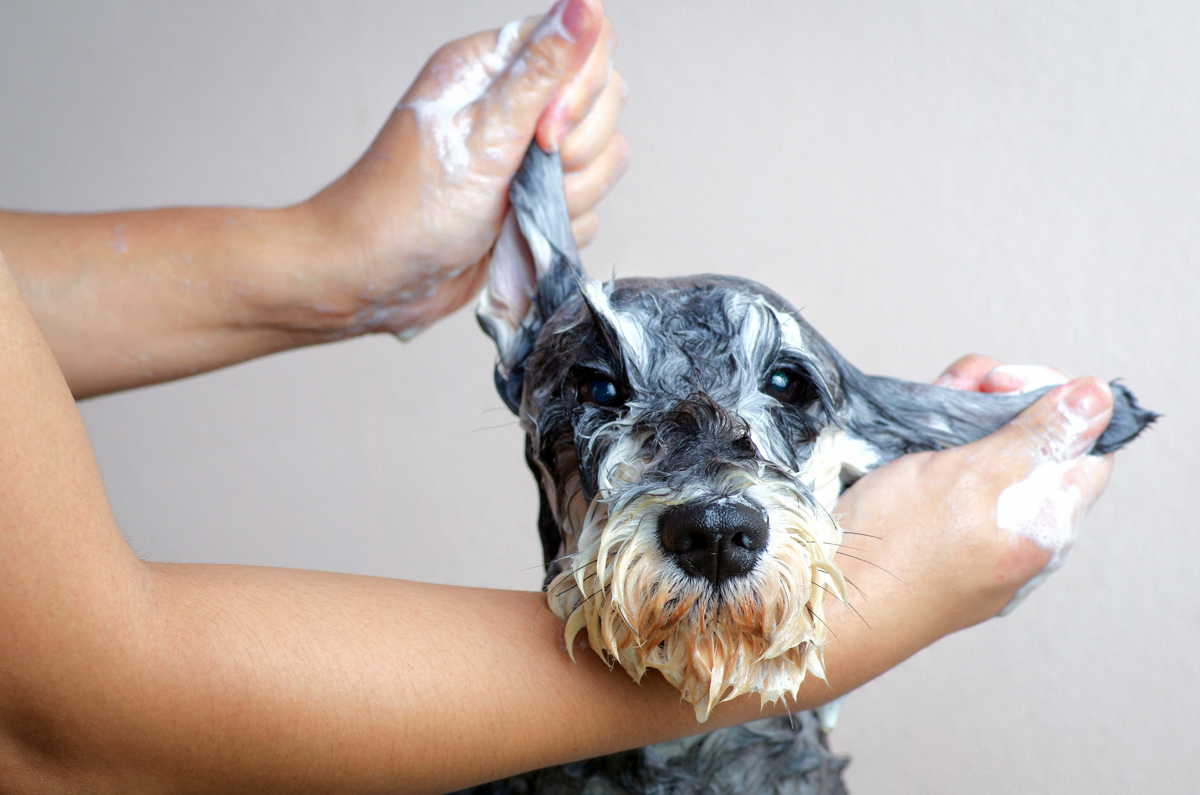
A dog escapes and bites someone. A cat injures itself in your boarding facility. A grooming accident causes a burn. A dog in your daycare injures another dog. These things happen, even to careful, experienced professionals.
Without the right insurance, a single incident can end your business.
This guide covers what you actually need, what each policy protects, and how to get covered without overpaying. This is general guidance, not legal advice. Always consult with an insurance broker for your specific situation.
The Three Core Policies
1. Public Liability Insurance
What it covers: Legal liability for injury to members of the public or damage to their property arising from your business activities.
Examples:
- A client trips over a lead in your salon and injures themselves
- A dog in your care escapes and damages a neighbour's property
- A pet owner is bitten by another client's dog on your premises
How much coverage: Most pet businesses carry $5 million to $20 million in public liability coverage. $10 million is common. Your landlord or local council may specify a minimum.
Who needs it: Every pet business, without exception.
2. Professional Indemnity Insurance
What it covers: Claims arising from your professional advice or services, including alleged negligence, errors, or omissions.
Examples:
- A trainer's advice leads to an injury (the client claims the training method was negligent)
- A groomer uses a product that causes an allergic reaction
- A boarding facility fails to administer medication as instructed
Who needs it most:
- Dog trainers and behaviourists (your advice is your product)
- Groomers (you're performing physical services on someone's pet)
- Boarding facilities (you're administering care routines specified by the owner)
Specialist pet business insurers like Pet Professional and BizCover offer professional indemnity policies tailored to pet services.
3. Care, Custody, and Control Coverage
What it covers: Injury to, or death of, animals in your care. This is the policy that covers the nightmare scenario: a pet is seriously injured or dies while you're responsible for it.
Examples:
- A dog injures itself jumping a fence in your boarding facility
- Two dogs in your daycare get into a fight and one is seriously injured
- A cat escapes during boarding and is hit by a car
Why it's critical: Standard public liability often excludes property in your care, custody, and control. Since pets are legally classified as property, you need a specific extension or separate policy to cover animals entrusted to you.
Who needs it: Anyone who takes physical custody of someone else's pet: boarders, daycare operators, groomers, walkers, pet sitters.
Workers' Compensation
If you have any employees (including casuals), workers' compensation insurance is mandatory in every Australian state and territory. This isn't optional.
Workers' compensation covers your employees if they're injured at work. In the pet industry, common claims include dog bites, slips and falls, and repetitive strain injuries (especially for groomers).
Where to get it: Each state has its own workers' compensation scheme. Contact your state's relevant authority:
- NSW: icare
- VIC: WorkSafe Victoria
- QLD: WorkCover Queensland
- WA: WorkCover WA
- SA: ReturnToWorkSA
What Your Insurer Wants to See
Insurance companies assess risk. The more you can demonstrate that you manage risk well, the better your premiums.
What helps your insurance application:
| Risk Factor | What Demonstrating It Looks Like |
|---|---|
| Incident documentation | Written incident reports for every event, no matter how minor |
| Waivers and service agreements | Signed terms of service for every client |
| Vaccination requirements | Documented vaccination checks before accepting any pet |
| Staff training records | Documented training, certifications, and professional development |
| Facility maintenance | Regular safety inspections, documented maintenance schedules |
| Emergency procedures | Written emergency protocols, vet contact details on display |
Related reading: Our articles on Disclaimer vs Waiver and Incident Reporting 101 cover the documentation frameworks that support your insurance posture.
How to Shop for Pet Business Insurance
Option 1: Specialist pet business insurers Companies like Pet Professional and BizCover specialise in pet industry insurance. They understand the specific risks and can tailor policies accordingly.
Option 2: Insurance brokers A commercial insurance broker can compare policies across multiple providers. Look for a broker with experience in service businesses or the pet industry specifically.
What to check when comparing policies:
- Coverage limits (public liability, professional indemnity, care/custody/control)
- Exclusions (what's NOT covered, this is where surprises hide)
- Excess/deductible amounts (what you pay per claim)
- Whether the policy covers all your service types (some policies exclude specific activities)
- Whether the policy covers contract workers or just employees
Key Takeaways
- Public liability insurance is essential for every pet business ($5-20M coverage typical)
- Professional indemnity is critical for trainers, groomers, and boarding operators
- Care, custody, and control coverage specifically covers animals in your care (standard liability often doesn't)
- Workers' compensation is mandatory once you have employees
- Good documentation supports better premiums: incident reports, waivers, vaccination records, training logs
- Shop through specialist pet business insurers or experienced brokers
- Read the exclusions carefully before signing
This is general guidance. Your specific insurance needs depend on your services, location, staff, and risk profile. Consult with a qualified insurance broker for advice tailored to your business.