What SOPs Actually Are (And Why They're Not Just for Corporations)
A Standard Operating Procedure (SOP) is simply a written, step-by-step description of how to do something in your business. That's it. No corporate jargon needed.
Why they matter for pet businesses specifically:
- When a new team member starts, SOPs mean they can learn your processes without you standing over them
- When you're on holiday, SOPs mean things get done the same way
- When something goes wrong, SOPs mean there's a documented process to follow
- When you want to grow, SOPs mean you can replicate what works
If everything lives in your head, you ARE the business. SOPs let the business run whether you're there or not.
The 5 SOPs Every Pet Business Needs First
Don't try to document everything at once. Start with these five. They cover 80% of your daily operations.
1. Intake/Check-In Procedure
What happens when a pet arrives?
Include:
- Greet the owner and pet by name
- Confirm the service booked
- Check for any special instructions or changes
- Note the pet's condition on arrival (any injuries, matting, behaviour)
- Confirm vaccination status is current
- Complete the handover (take the lead, confirm pick-up time)
- Record any belongings left with the pet
2. Service Delivery Procedure
What happens during the service itself?
For grooming:
- Pre-groom assessment (coat condition, skin check, matting level)
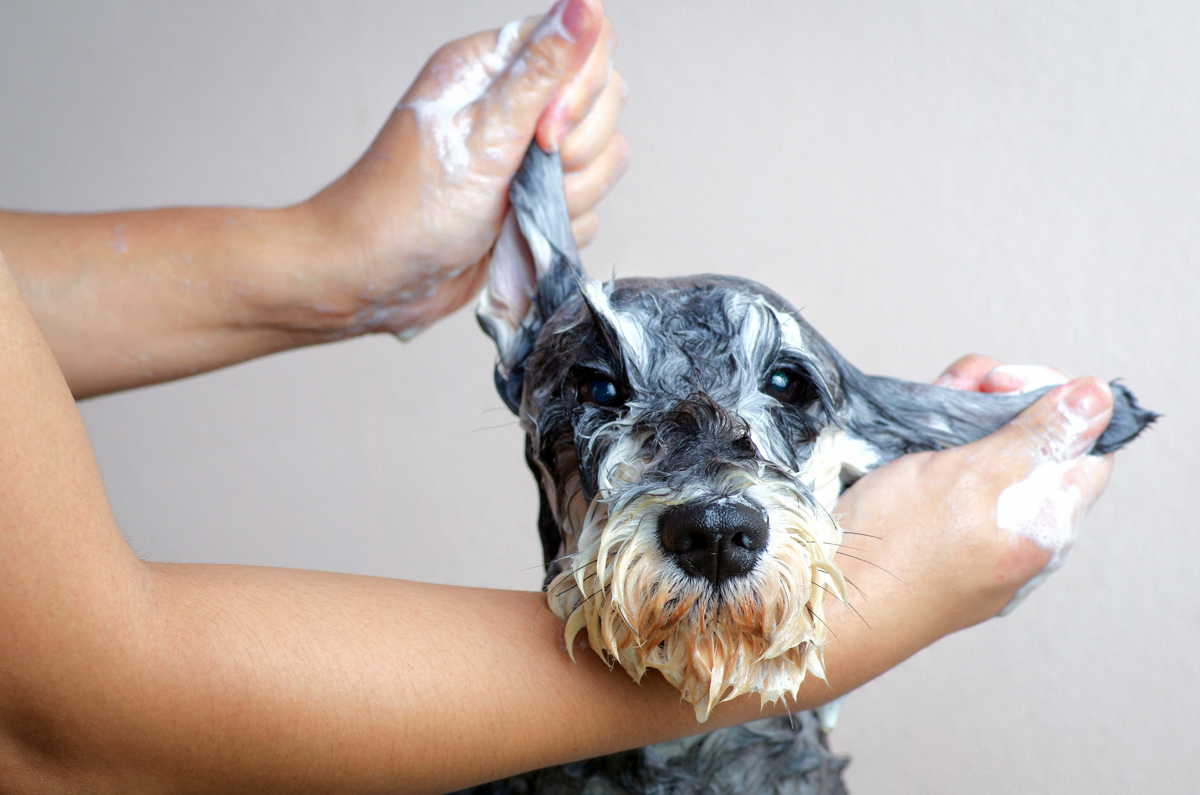
- Bath procedure (water temperature, shampoo type, drying method)
- Groom procedure (blade selection, style confirmation, finishing)
- Post-groom check (ears, nails, sanitary areas, overall quality)
For daycare:
- Morning play group formation (size/temperament matching)
- Supervision ratios and rotation schedule
- Feeding times and procedures
- Rest periods
- Afternoon play and activities
3. Handover/Check-Out Procedure
What happens when the owner picks up?
Include:
- Summary of how the service went
- Any observations worth sharing (skin condition, behaviour, grooming recommendations)
- Payment processing
- Next booking suggestion
- Farewell (thank them, say goodbye to the pet by name)
4. Incident Response Procedure
What happens when something goes wrong?
Include:
- Immediate action (secure the pet, assess the situation, administer first aid if needed)
- Contact the owner immediately
- Contact the emergency vet if medical attention is needed
- Document everything: what happened, when, who was involved, what action was taken
- Take photos if appropriate
- Complete an incident report within 24 hours
- Notify your insurer if the incident may result in a claim
Related reading: Our Incident Reporting 101 guide provides a complete documentation framework.
5. End-of-Day Closing Procedure
What happens at the end of each day?
Include:
- Final walk-through of the facility (all pets collected, all areas secure)
- Cleaning and sanitising all surfaces, tools, and equipment
- Laundry started or completed
- Cash reconciliation and end-of-day financial check
- Review tomorrow's bookings and prepare
- Lock up and set alarms
How to Write an SOP Your Team Will Actually Follow
The biggest mistake people make with SOPs is writing essays. Nobody reads a 10-page procedure document.
Rules for effective SOPs:
- One page maximum. If it doesn't fit on one page, split it into two SOPs.
- Use numbered steps. "Step 1: Do this. Step 2: Do that." Not paragraphs.
- Use checklists. People love checking boxes. It's satisfying and ensures nothing is missed.
- Add photos where helpful. A photo of a correctly set up grooming station is worth 100 words of description.
- Write at the level of your newest team member. Don't assume knowledge.
A Simple SOP Template
SOP: [Name of Procedure]
Version: [1.0]
Last Updated: [Date]
Owner: [Who is responsible for this SOP]

PURPOSE:
[One sentence: why does this procedure exist?]

STEPS:
☐ Step 1: [Action]
☐ Step 2: [Action]
☐ Step 3: [Action]
☐ Step 4: [Action]
☐ Step 5: [Action]

IF SOMETHING GOES WRONG:
[What to do if the normal procedure can't be followed]

NOTES:
[Any additional context or tips]
When to Review and Update
SOPs aren't "set and forget." Schedule a review:
- After every incident: Did the SOP cover this situation? If not, update it.
- When you add a new service: New services need new SOPs.
- When you hire someone: New eyes find gaps in documentation.
- Quarterly: A quick 30-minute review to check everything is still accurate.
Key Takeaways
- SOPs are written, step-by-step processes that ensure consistency
- Start with five: intake, service delivery, handover, incident response, closing
- Keep them short: one page, numbered steps, checklists
- Use photos where they help (a picture of a clean station setup, a correctly filled incident report)
- Write for your newest team member, not for yourself
- Review quarterly and after every incident
- SOPs let your business run without you. That's freedom.
You don't need a binder full of corporate procedures. You need five clear, one-page documents that anyone on your team can follow. Start there. Add more as you grow.